By: Quatisha Ashley & Jill Holdsworth
In healthcare, infection prevention failures are rarely caused by a lack of caring. Most professionals working in the Sterile Processing Departments (SPD), Endoscopy, procedural areas, and High-Level Disinfection (HLD) genuinely want to do the right thing for patients. Yet despite education, standards, and competency checklists, variation in reprocessing practices still occurs every day. Real clinical environments are filled with interruptions, staffing shortages, production pressure, competing priorities, inconsistent supervision, and workflows that may unintentionally set staff up for failure. This is where the concept of human factors becomes critically important.
Human factors engineering examines how people interact with systems, equipment, environments, processes, and expectations. In reprocessing, it helps explain why even well-trained individuals can struggle to consistently perform complex manual cleaning and disinfection steps exactly as written every single time. For Infection Preventionists, SPD leaders, Endoscopy teams, and healthcare administrators, understanding human factors is essential to achieving safer, more reliable reprocessing outcomes.
Manual reprocessing is often described in policies as a straightforward sequence of steps. On paper, it sounds manageable. In practice, however, these workflows are physically repetitive, cognitively demanding, time sensitive, and highly dependent on human consistency. In many departments, technicians are expected to manage several responsibilities at once, often shifting between tasks with little warning. This constant switching makes it difficult to maintain the level of focus required for manual cleaning. When the environment demands speed and multitasking, even experienced staff can lose track of where they left off in a cleaning sequence. Human memory is not designed to hold multiple competing steps under pressure, which increases the chance of unintentional variation. This is how normalization of deviation begins, not from carelessness, but from staff adapting to workflow conditions that make the ideal process difficult to carry out consistently.
Staff may be interrupted multiple times during a cleaning process. Staff may be balancing multiple rooms, turning over simultaneously. Supplies may not be located where they are needed. Documentation systems may be cumbersome. Training may vary between shifts. Leadership expectations may unintentionally prioritize speed over standardization. Over time, these pressures create normalization of deviation — the gradual acceptance of shortcuts or workarounds because “that’s how we’ve always done it” or because staff are simply trying to keep workflow moving. The result is not usually malicious noncompliance. It is system fatigue.
One of the greatest human factors challenges in reprocessing is the tension between productivity and patient safety. Procedural areas are under constant pressure to maintain throughput so that cases are not delayed, as providers need equipment quickly, patients are waiting, and schedules are full. Under these conditions, reprocessing staff are often placed in impossible situations where speed becomes the unspoken priority.
In these moments, staff are not choosing between “right and wrong”- they are choosing between “fall behind” or “keep the department moving.” When trays are stacking up, cases are waiting, or clinicians are calling for equipment, the pressure to move faster becomes a survival response, not a disregard for safety. These workflow pressures create conditions in which the safest choice is not always the most realistic. This creates risk because manual cleaning is one of the most variable and vulnerable parts of the entire reprocessing process. Unlike automated systems, manual cleaning depends heavily on technique, attention to detail, adequate time, environmental setup, staff competency, and consistent adherence to IFU instructions.
Even small inconsistencies can matter. A missed surface, inadequate brushing, shortened soak time, incomplete drying step, or rushed rinse process may not be visible to the naked eye — but can still affect disinfection outcomes and patient safety. The challenge is that healthcare systems frequently design workflows around ideal conditions while staff operate in real-world conditions. Human factors require us to ask if we are designing systems that support compliance or systems that depend on perfection.
In many facilities, staff may not fully understand why a specific step matters. They may know a process exists but not understand the rationale for infection prevention behind it.
For example:
- • Why is drying so important?
- • Why does delayed pre-cleaning increase risk?
- • Why does water quality matter?
- • Why are contact times non-negotiable?
- • Why does visible cleanliness not equal safe disinfection?
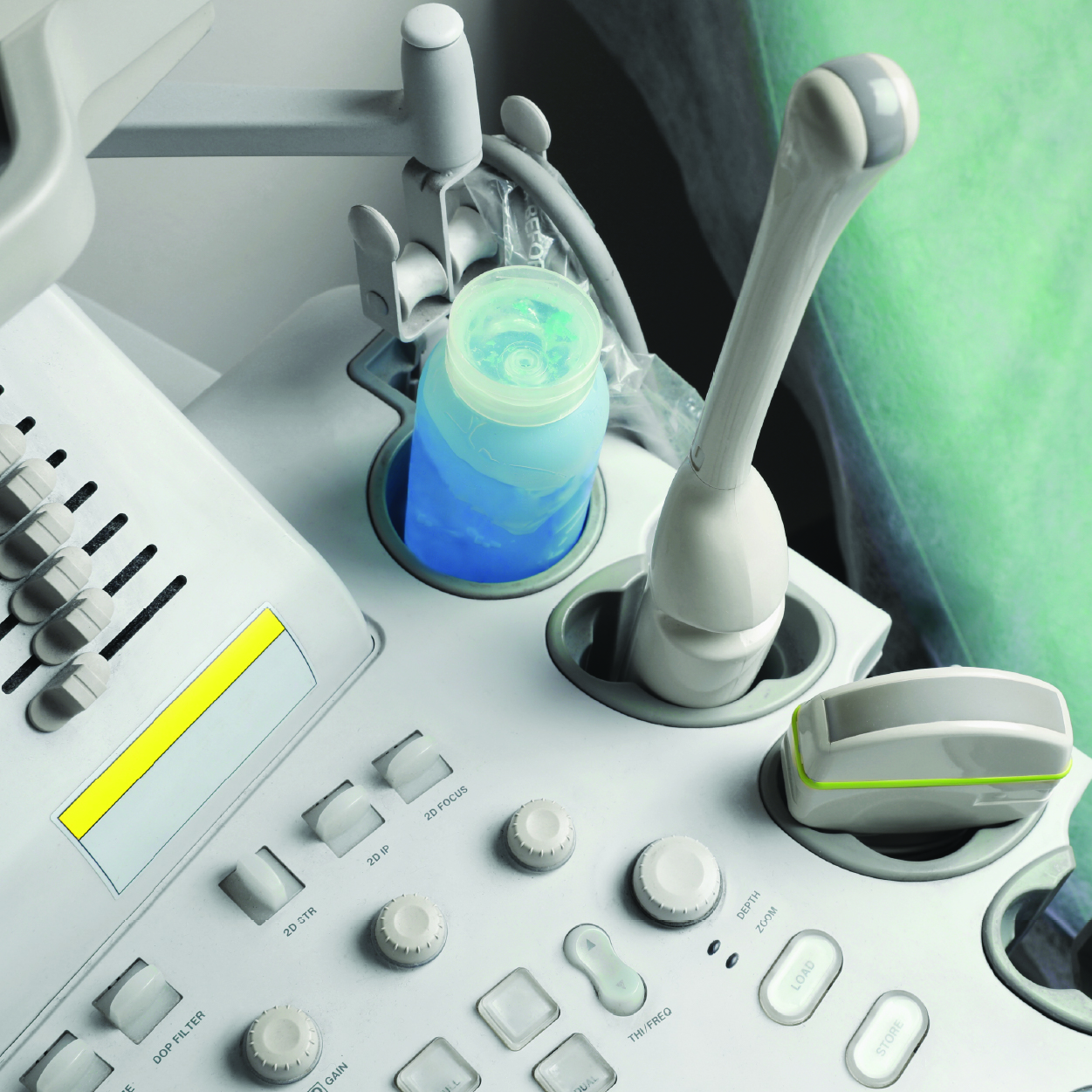
Without understanding the “why,” processes can begin to feel task-oriented instead of safety-oriented. A strong culture of safety requires organizations to actively encourage reporting of process barriers before they become patient harm events. Human factors concerns are not limited to endoscopy and surgical instrumentation. They are increasingly relevant in ultrasound probe reprocessing as well. Ultrasound workflows are often decentralized, fast-paced, and highly variable between departments such as the ED, Women’s Health, Radiology, Interventional Radiology, Cardiology, and Ambulatory Clinics. In many cases, manual cleaning and disinfection steps occur in cramped spaces, between patient appointments, or in workflows where clinicians are multitasking heavily. The more manual touchpoints in a process, the more opportunities there are for variability. Because ultrasound reprocessing is often performed by clinicians rather than dedicated reprocessing staff, they are balancing patient care responsibilities while also being expected to complete detailed cleaning steps. This increases the likelihood of shortened or missed tasks, especially when patient flow is heavy.
Physical layout also plays a role. Many ultrasound rooms were not designed with reprocessing in mind, leaving staff without immediate access to sinks, brushes, or drying materials. When the environment doesn't support the process, workarounds become predictable. This is one reason many healthcare organizations are beginning to evaluate workflow redesign and automation strategies as human factors interventions — not simply equipment upgrades. Automation cannot eliminate every risk, but it can reduce reliance on memory, multitasking, inconsistent technique, and workflow workarounds.
When reprocessing failures occur, organizations often focus first on the individual. Human factors science encourages a different approach. Instead of only asking “WHO” failed, we should ask what system or process made this failure more likely. This shift is important because sustainable improvement rarely comes from retraining alone. Healthcare workers are human beings operating in high-pressure systems. Designing workflows that acknowledge human limitations is not lowering standards — it is how we improve reliability.
For many frontline staff, these events feel personal long before the root cause is understood. It can be discouraging to feel scrutinized for an outcome shaped by workflow barriers, time pressure, or unclear expectations. Human factors reframe the conversation by recognizing that people often struggle not because they are careless, but because the systems around them make it difficult to carry out the correct process consistently.
Reprocessing consistency is not just about education or policy compliance. It is deeply influenced by workflow design, organizational culture, communication, staffing realities, and human behavior under pressure. The healthcare industry often asks frontline staff to achieve flawless outcomes in systems filled with interruptions, variability, and competing demands. Understanding human factors allows us to move beyond blame and toward building safer, more sustainable reprocessing practices. In infection prevention, patient safety depends not only on what the standards say, but also on whether the system truly allows people to follow them consistently through intuitive design, accessible resources, and workflows that support —not hinder — safe practice.
Quatisha Ashley is a Surgical Services Assistant and Endoscopy Assistant at Hartford Healthcare- Manchester Memorial Hospital. She is dual certified in sterile processing, with experience spanning decontamination, HLD, OR support, and workflow efficiency across procedural and surgical environments. Quatisha participates in AAMI standards work and contributes to process improvement initiatives focused on patient safety, human factors, and reprocessing reliability.
She can be reached at spdkyu2023@gmail.com
*Disclaimer: The information shared in this article is that of the author(s) and should be reviewed by the consumer as that written by an independent party to CS Medical or in conjunction with CS Medical staff. The article may or may not directly represent any employer, company, or third party, and are solely that of the individual(s) or contributors themselves.