By: Jill E. Holdsworth, MS, CIC, AL-CIP, FAPIC, CRCST, CHL, NREMT
Cleaning failures can undermine high-level disinfection of ultrasound probes. Learn why proper cleaning, drying, and inspection matter, and how standardization and automation can improve reprocessing outcomes and patient safety.
Reprocessing semi-critical medical devices is a high-risk process in healthcare that can leave patients vulnerable to infections or other complications. A critical step in the process comes before high-level disinfection (HLD): cleaning. The difference between cleaning and disinfection can often be confusing, so let’s break it down.
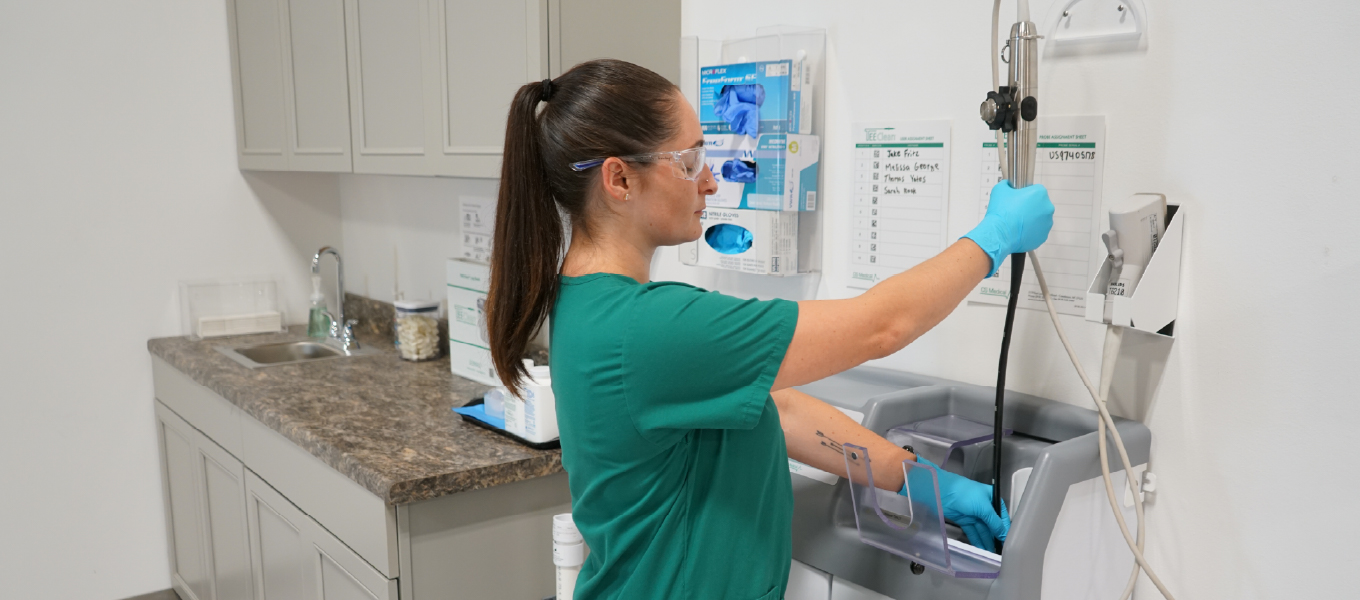
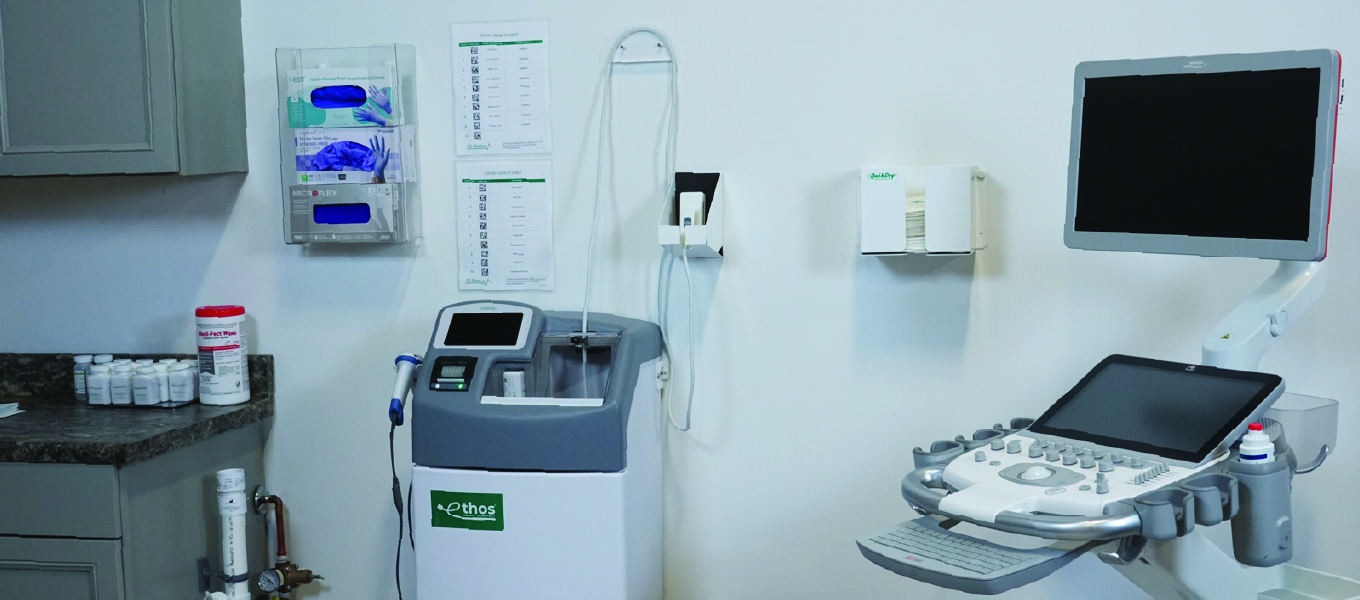
Cleaning occurs first, a process that physically removes soil and debris from the instrument, probe, or scope. Cleaning is traditionally performed manually by a team member or on probes using a newer automated method.
Using a probe cover or sheath should never be considered a substitute for cleaning the ultrasound transducer. The American Institute for Ultrasound in Medicine (AIUM) states that the ultrasound transducer should be cleaned, even when a probe cover or sheath is used.
A step often skipped in the process is drying the probe after cleaning, before performing high-level disinfection. Debris, gel, and/or residual water may be left behind after the cleaning process, which can inhibit the disinfection process. It is essential that the drying cloth be selected specifically for this process, being low-linting to prevent introducing new sources of debris into the path of the disinfectant, thereby allowing it to perform its function effectively.
The final step before performing high-level disinfection is the visual inspection. Team members should visually inspect all external surfaces of the scope, probe, or item being processed for defects, debris, soil, or anything abnormal, including in the cracks and crevices of the device. Lighted magnification may be needed and should be used as appropriate.
Although cleaning scopes and probes prior to HLD can significantly reduce microbial load and soil, the process is tedious, time-consuming, and error-prone, increasing the risk of cycle failure. Failure of these processes can lead to probe damage, patient harm, and staff burnout.
Exploring options for automation can lead to increased compliance and decreased risk of human error and device contamination during patient procedures. Some clinical settings do not provide optimal environments or sufficient space to perform the necessary cleaning tasks, which can make compliance with and meeting regulatory requirements difficult. Staff turnover, shortages, and dedicated time for training and competency remain a challenge in ensuring adherence to all components of the cleaning steps.
A study led by Cori Ofstead found that only 1.4% of endoscopes reprocessed using a manual cleaning method and an automated disinfection cycle were processed correctly at every step. This study suggests that increased training and a focus on competencies, combined with a shift toward automation, can significantly improve overall compliance with endoscope cleaning and disinfection processes.
Department leaders and infection preventionists have countless opportunities to observe, audit, and improve this process through quality improvement work, standardization, and partnerships. These tasks are often hidden work in our health care organization, yet the importance of their outcome is not lost on the overall well-being of each patient. Consistent rounding and follow-up by leaders in these areas are imperative to ensure our patients remain safe and infection-free during procedures.
Editor’s Note: This article was written by Jill E. Holdsworth, MS, CIC, AL-CIP, FAPIC, CRCST, CHL, NREMT, Medical Affairs Manager at CS Medical, and was originally published by Infection Control Today on January 9, 2026. It has been republished here by CS Medical. Read the original article on Infection Control Today.