In healthcare, precision is of utmost importance. Whether it's the calibration of a machine, the timing of a medication, or the process of disinfecting a medical device, small details often make the biggest difference. Yet, one often overlooked detail can carry just as much weight as a lab result or a sterilization indicator: the specific words used in standards documents.
The language found in standards and guidelines documents from regulatory bodies, accrediting organizations, and professional associations plays a critical role in shaping how healthcare facilities operate. Seemingly simple words like “shall,” “should,” and “may” are anything but arbitrary. These words have very specific meanings, and misunderstanding them can lead to very negative consequences.
Whether you’re focused on maintaining patient safety, protecting the integrity of expensive medical devices like transesophageal echocardiogram (TEE) or endocavity ultrasound probes, or ensuring your facility passes its next accreditation audit, knowing the difference between these terms isn’t just a matter of semantics.
Understanding The Language Of Compliance
When reading standards documents, the temptation might be to breeze past familiar words like shall, should, or may without much thought. After all, they are commonly used in everyday speech. However, like everything in the world of healthcare compliance and infection prevention, these words are chosen with surgical precision.
Shall = Must
When a standard says a facility “shall” perform a specific task, this means it is a mandatory requirement. There is no flexibility, no room for interpretation, and certainly no opportunity to disregard it. Failing to follow these directives not only risks non-compliance but also potentially jeopardizes patient safety, exposes staff to harm, and increases the likelihood of probe damage or failure.
For example, many guidelines state that a facility shall perform high-level disinfection on a TEE probe after each use. This is not a suggestion; it is a legal and regulatory obligation. Ignoring a “shall” opens the door to liability, adverse patient outcomes, and failed inspections.
Should = Strong Recommendation
In contrast, “should” signals a recommended best practice. It carries significant weight, but allows for some flexibility in implementation based on specific circumstances or professional judgment. Facilities that choose to deviate from “should” guidelines must be prepared to justify their decisions with evidence-based reasoning or risk scrutiny during audits.
For instance, a standard might state that a probe should be transported in a sealed container after high-level disinfection to prevent recontamination. While technically not required, failing to do so invites questions about whether your facility is taking all reasonable steps to protect patient safety and device integrity.
Over time, practices recommended as "should" often become expected norms in healthcare environments. Accrediting bodies may view deviation as a red flag, even if the language stops short of "shall."
May = Optional
Finally, “may” represents the greatest degree of flexibility. It typically introduces a possibility or an informational point rather than a requirement. A standard might say that a facility may choose between several validated cleaning agents. This simply provides options, leaving the decision entirely up to a facility’s discretion.
However, "may" should not be confused with irrelevance. While it opens the door to professional choice, that choice should still be made thoughtfully.
Why Distinctions Matter
Infection prevention, particularly when dealing with reusable medical devices such as TEE probes or endocavity ultrasound probes, is a complex and highly regulated field. The Spaulding Classification system, for example, mandates that semi-critical devices must undergo high-level disinfection. Standards governing these processes use precise language because precision protects patients.
Failing to grasp the importance of these words can lead to compromised patient safety, damaged equipment, or failure to pass accreditation surveys.
Beyond patient care and device integrity, misunderstanding compliance language carries financial and legal risks. Surveyors from organizations such as The Joint Commission and The Centers for Medicare and Medicaid Services assess facilities not only on outcomes but also on adherence to standards. Failing to comply with “shall” statements, in particular, can result in citations, corrective action plans, or even loss of accreditation and reimbursement eligibility.
Moreover, in the unfortunate event of a healthcare-associated infection (HAI) or device failure linked to reprocessing, legal scrutiny will almost certainly examine whether the facility met mandatory ("shall") and recommended ("should") requirements.
Clarity Leads To Better Outcomes
When healthcare professionals understand the differences between shall, should, and may, they are better equipped to implement processes that are compliant, defensible, and aligned with best practices. This clarity leads to consistency, and consistency in infection prevention is a non-negotiable.
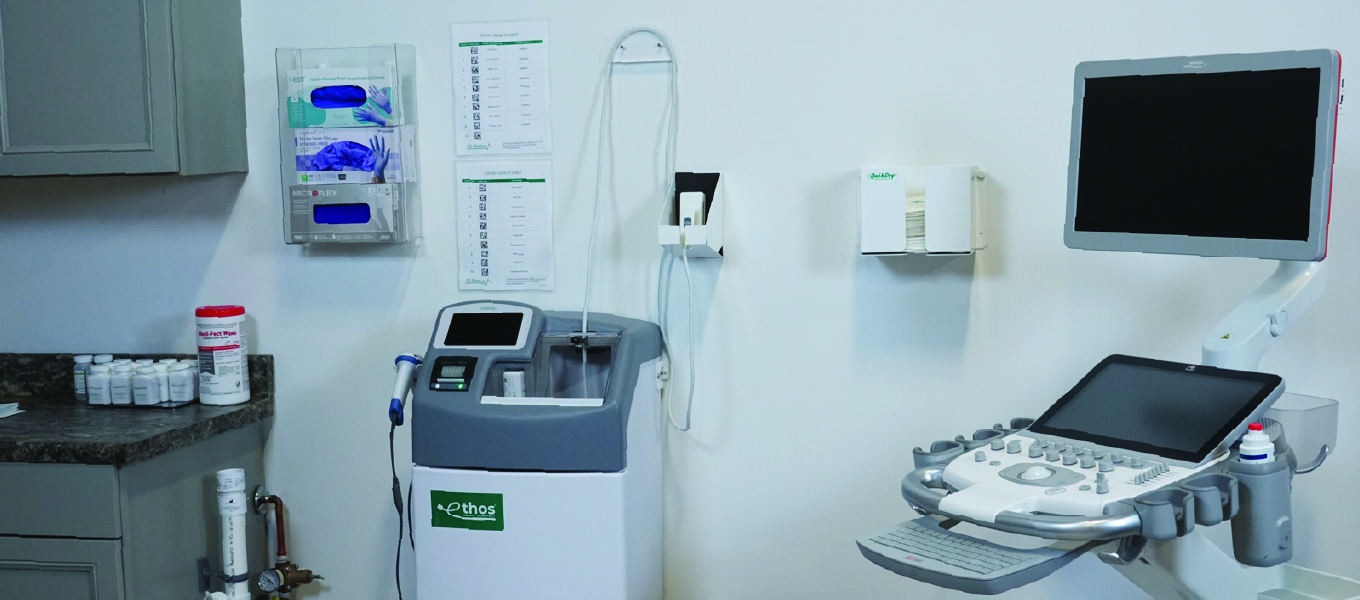
The choice to use automated devices like TEEClean® Automated TEE Probe Cleaner Disinfector or Ethos® Automated Ultrasound Cleaner Disinfector for cleaning and disinfecting probes often aligns directly with "shall" and "should" language in standards related to validated processes, documentation, and infection control. These devices help facilities meet mandatory requirements consistently and reduce the risk of human error.
Words matter. In healthcare standards, they aren’t just guidelines; they are the framework upon which safe, compliant, and effective patient care is built. Facilities that understand and respect the language of these documents are better positioned to protect patients, safeguard equipment, and succeed in the high-stakes world of accreditation and regulation.
The next time you read a standard or policy, pause. Ask yourself: is this something we shall, should, or may do? The answer might make all the difference.