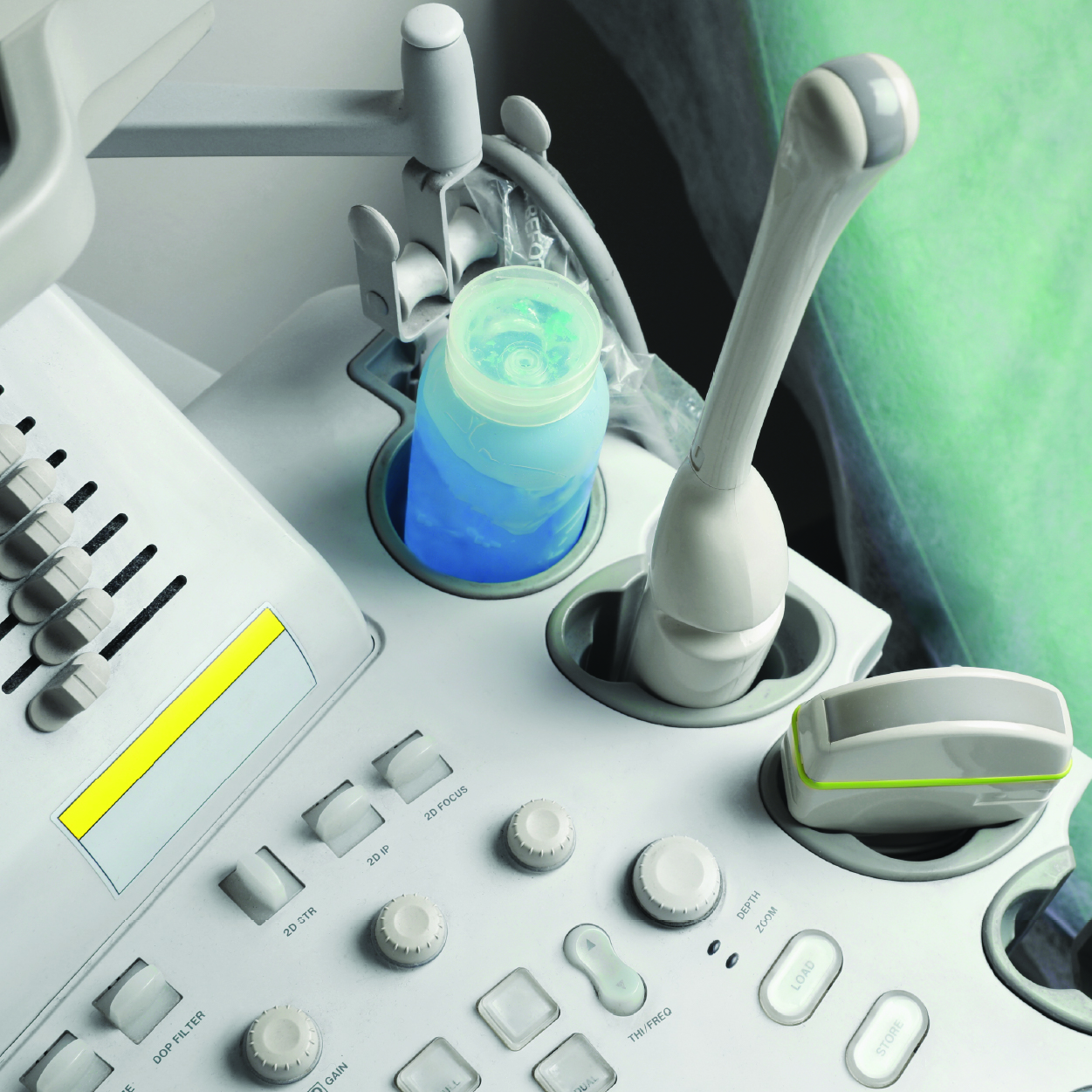
Transesophageal echocardiography (TEE) probes are sophisticated, reusable semi-critical medical devices equipped with internal electrical components designed for esophageal insertion. Given their design and purpose, conducting electrical safety testing before each use is imperative.
Misunderstanding or merely checking off electrical leak testing exposes organizations to potential patient harm and regulatory scrutiny.
TEE probes comprise of electrical wiring, piezoelectric crystal arrays, steering cables, insulation layers, and protective outer sheathing. Electrical leak testing evaluates the probe’s insulation integrity and ensures no unintended current escapes from internal circuitry to the external patient-contact surface. A compromised insulation barrier can lead to current leakage into the esophageal mucosa, a conductive environment. Electrical leak testing is crucial for ensuring patient electrical safety and maintaining device integrity.
Implications of a Failed Leak Test
- • A failed test signifies one or more of the following issues:
- • Breakdown of electrical insulation.
- • Internal fluid invasion.
- • Micro-cracks in protective sheathing.
- • Compromised internal wiring.
- • Mechanical damage affecting barrier integrity.
Regulatory Guidance and Compliance
The Intersocietal Accreditation Commission (IAC) mandates that all TEE probes undergo electrical leakage current testing before each use. This step is vital for ensuring patient safety and maintaining probe integrity. According to IAC standards, the structural and electrical integrity of the transducer must be checked between uses using an ultrasound transducer leakage tester, with documented results and a corrective action plan for any failed test.
AAMI TIR 99: Processing of Dilators, Transesophageal and Ultrasound Probes in Health Care Facilities
While the language in this TIR guidance may seem broad, the rationale underscores the significance of leak testing for patient safety. It specifies that:
- • Structural and electrical integrity of TEE transducers should be verified between uses.
- • Follow instructions for use (IFUs) for conducting electrical leak testing.
- • Document “pass” and “fail” outcomes.
- • Document actions taken for “fail” results.
Rationale for Removing the TEE Probe from Service
- • If insulation is compromised:
- • Electrical current may contact the patient's tissue.
- • Mucosal injury may occur.
- • Cardiac patients may face increased risks.
- • The organization assumes liability.
Immediate removal from service is essential because:
- • The probe no longer meets IFU requirements.
- • Electrical integrity cannot be guaranteed.
- • Further processing (including immersion) may exacerbate damage.
Handling a Failed Probe That Has Not Undergone High-Level Disinfection (HLD)
What if the probe fails testing before use and hasn't undergone high-level disinfection? If so, it must be treated as a contaminated semi-critical device. Consider these recommended steps:
Step 1: Remove From Service
- • Tag: “FAILED ELECTRICAL LEAK TEST – DO NOT USE”
- • Remove from clinical circulation.
Step 2: Don Appropriate PPE per facility policy
- • Gloves
- • Gown
- • Eye protection
Step 3: Perform Cleaning Per IFU
- • Remove gross soil
- • Wipe with approved detergent/enzymatic solution.
- • Do not immerse beyond IFU guidance.
- • Avoid introducing additional fluid into compromised areas.
NOTE: If electrical integrity is compromised, immersion-based cleaning/HLD may not be suitable before repair. Always follow manufacturer instructions.
Step 4: Dry Thoroughly
- • Prevent additional fluid migration into compromised insulation layers. Always dry with a single-use, low-linting cloth.
Step 5: Package for Repair
- • Follow the manufacturer's repair guidance.
- • Use biohazard labeling as required.
- • Clearly indicate contamination status.
- • Follow all state and federal regulations when shipping a biohazardous item.
When removing a TEE probe from service due to a failed leakage test, specific documentation is required to ensure staff and patient safety. Considerations include:
- • Date/time of test
- • Person performing the test
- • Specific failure result
- • Removal from service confirmation
- • Cleaning status
- • HLD status (clearly state if not high-level disinfected)
- • Repair vendor notification
The repair documentation must clearly state: “Device has not undergone high-level disinfection.” Under the Association for the Advancement of Medical Instrumentation (AAMI) guidance and survey expectations, traceability and transparency are essential components of a defensible reprocessing program.
Infection Prevention and Compliance Oversight
While electrical leak testing may be performed by echo staff or biomed, infection prevention plays a role in:
- • Auditing compliance with IFUs
- • Ensuring failed devices are removed from service
- • Reviewing documentation workflows
- • Verifying safe handling of contaminated devices
- • Supporting regulatory readiness
Programs that incorporate device integrity checks into their broader reprocessing quality systems are more defensible during regulatory surveys. Infection preventionists (IPs) should include items in their rounding tools for reprocessing areas to observe and audit the electrical leak testing process and inquire about device removal procedures.
Facilities and IPs may feel overwhelmed by this process or recognize the need for education and understanding. CS Medical can support departments and facilities in various ways, including:
- • Education on IFU adherence and device integrity
- • Workflow evaluation
- • Reprocessing program assessment
- • Infection prevention consultation
- • Development of repeatable, standardized processes
A failed test necessitates the immediate removal of the probe from service. Clear documentation, proper handling, and adherence to AAMI standards protect both patients and facilities. In a regulatory environment increasingly focused on reprocessing compliance, understanding and standardizing electrical leak testing workflows is essential