 Download PDF
Study data supports seven day storage period for endocavity ultrasound probes in CleanShield Ultrasound Probe Storage Cabinet between HLD events
Models: CS-VR06 and CS-VR06W
CS Medical commissioned a study to determine how long a high-level disinfected endocavity (transvaginal or rectal) ultrasound probe can remain in an AirClean® Systems CleanShield® positive pressure HEPA filtered storage cabinet before needing to be reprocessed. The study concluded that ultrasound probes can be stored for at least seven days in the CleanShield Ultrasound Probe Storage Cabinet. Further, the study found that storage in the CleanShield Ultrasound Probe Storage Cabinet was better at preventing bacterial contamination of high-level disinfected probes, when compared to storage in the open air or a closed cabinet without HEPA-filtered airflow.
Following cleaning and high-level disinfection, endocavity ultrasound probes must be stored to prevent contamination (ANSI/AAMI ST58:2024; ASUM, 2017; SDMS, 2022; Westerway, 2024). However, there are few specific recommendations for storage conditions, which can vary from plastic probe covers to designated cabinets that provide airflow and filtration (ANSI/AAMI ST58:2024; ASUM, 2017; IPAC, 2022; SDMS, 2022). Similarly, detailed recommendations concerning permissible storage times for endocavity probes have not been made by accreditation and regulatory organizations.
The commissioned study compared the bacterial contamination of probes stored for seven days under three clinically relevant conditions: a CleanShield Ultrasound Probe Storage Cabinet providing continuous HEPA-filtered airflow, a static (no airflow) closed cabinet, and in the open air. The open air condition was intended to mimic probes stored on a medical cart without protection, where excessive contamination can be expected. The open air probes and storage cabinets were placed in a room with moderate use by technical laboratory staff to simulate a well-trafficked clinical staging area. Cabinet doors to the CleanShield Ultrasound Probe Storage Cabinet and static cabinet were also opened and closed ten times per weekday to simulate normal use in the clinic.
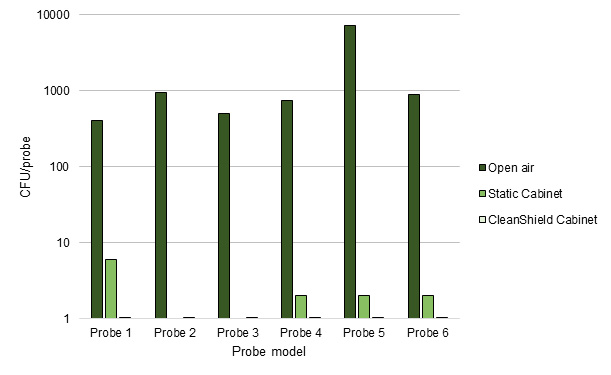
Figure 1. Colony forming units (CFU) recovered from probes stored at each condition. None of the probes stored in the CleanShield Cabinet showed growth after seven days of storage (<1 CFU/probe).
A total of 18 probes encompassing six probe models from three manufacturers were cleaned and high-level disinfected using an automated method. The probes were dried thoroughly with gamma-irradiated single-use drying cloths and then immediately stored under the appropriate condition for seven days. Six probes were stored under each of the three conditions. After one week the probes were recovered for contamination testing using a method that favors bacterial recovery.
The endocavity probes stored in the fully operational CleanShield Ultrasound Probe Storage Cabinet remained measurably free of contamination over a seven day storage period (Figure 1). None of the six stored probes contained any recoverable bacteria. In contrast, four out of the six endocavity probes that were stored in a static cabinet with no airflow showed bacterial contamination. The lack of bacteria recovered from the probes stored in the CleanShield cabinet, unlike to those stored in the static cabinet, suggests that the HEPA-filtered airflow was important in preventing contamination during the study.
All of the probes stored in the open air were heavily contaminated following storage. Between 2 - 4 log10 colony forming units (CFU) were recovered from each open air probe with an average CFU/probe of over 3 log10 (1792 CFU). The bacteria recovered from probes stored under open air conditions showed multiple colony morphologies (Figure 2). This suggests the bacteria recovered from the probes were likely the result of multiple contamination events over the seven day storage period rather than growth of a single contaminant on the probe during storage. In a clinical setting, higher numbers of contamination events increase the likelihood of contamination with a clinically relevant pathogen. The contamination levels and diversity of recovered bacteria on the probes stored in the open air highlights the importance of proper storage following cleaning and high-level disinfection.
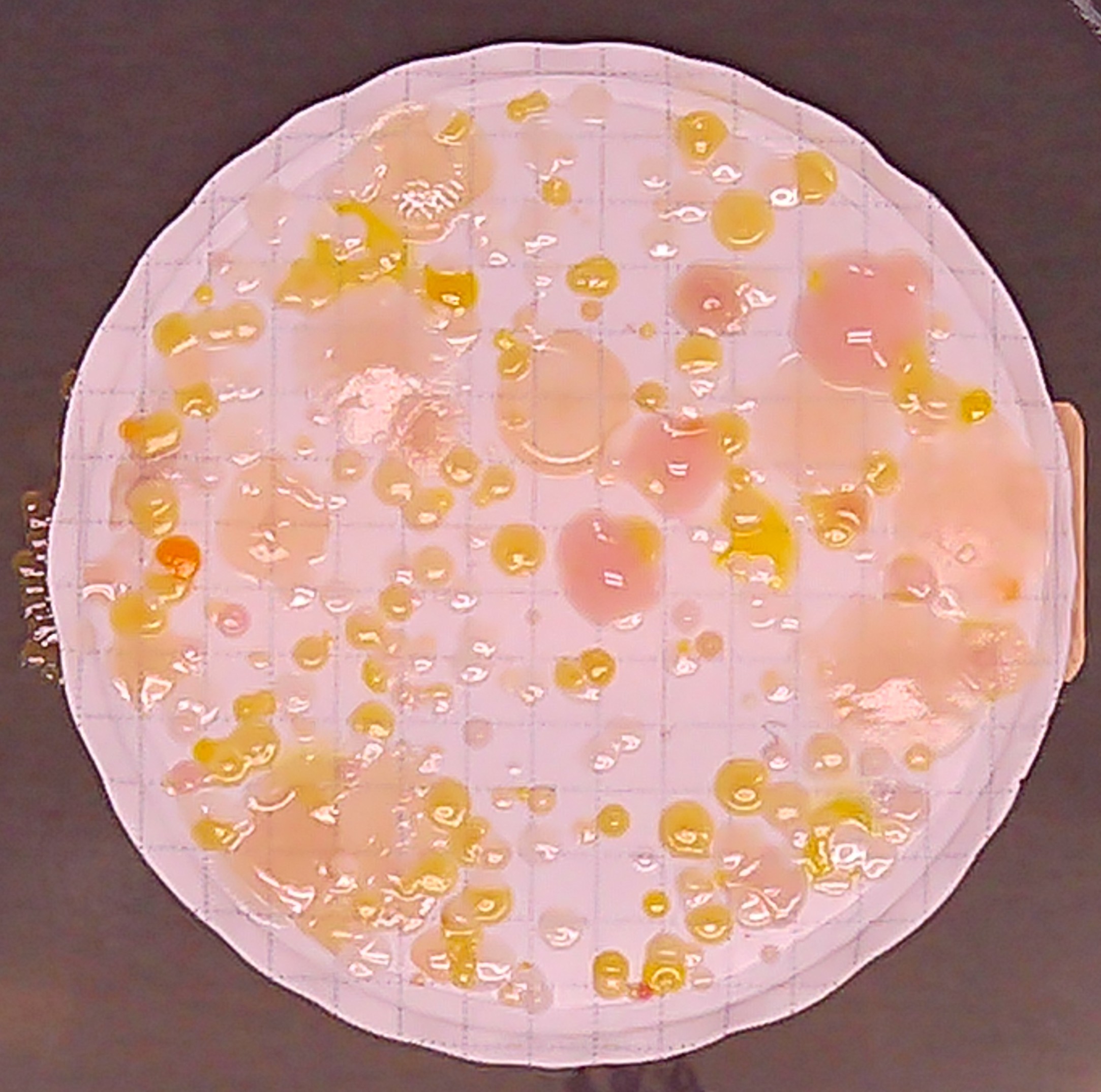
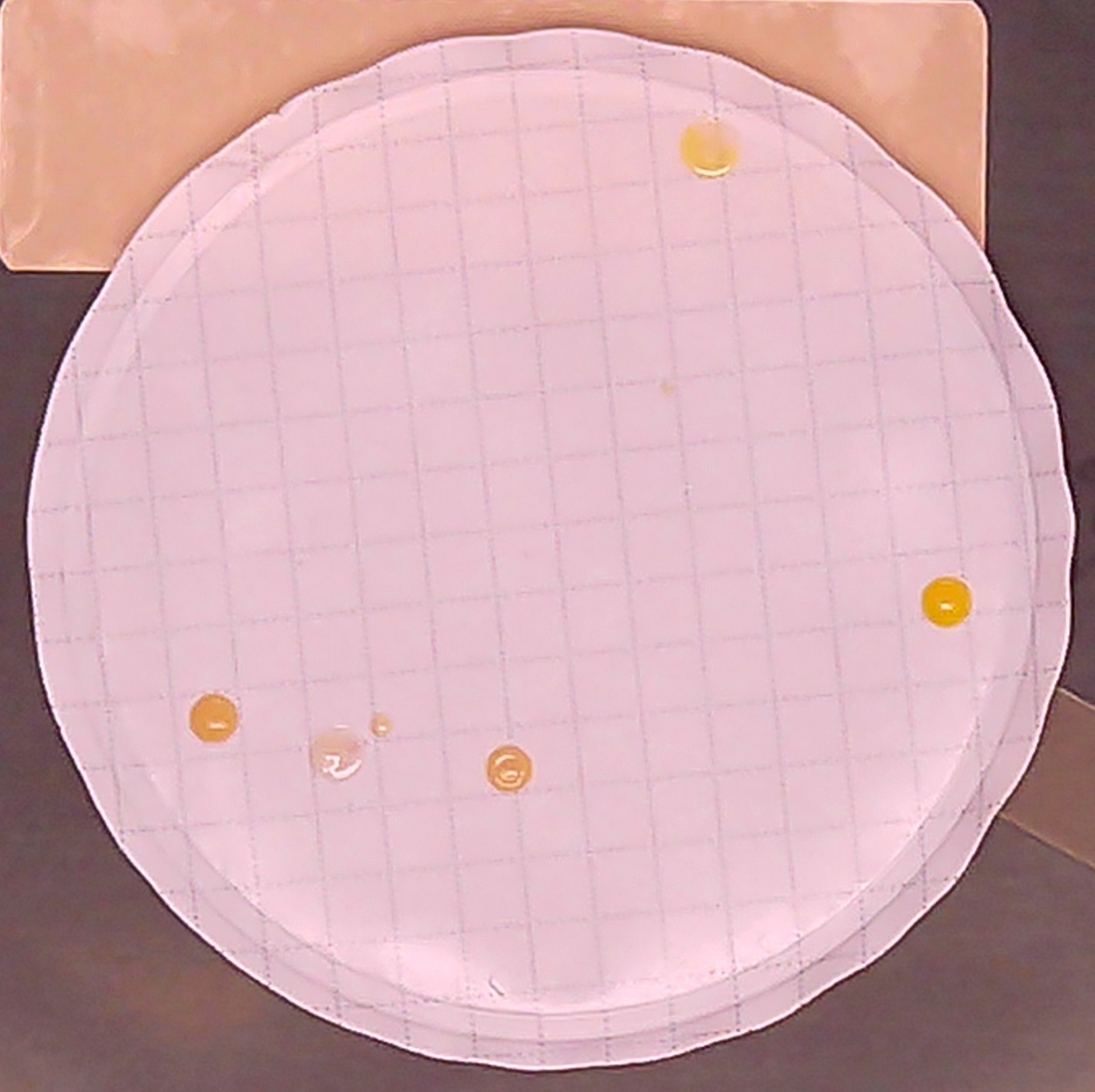
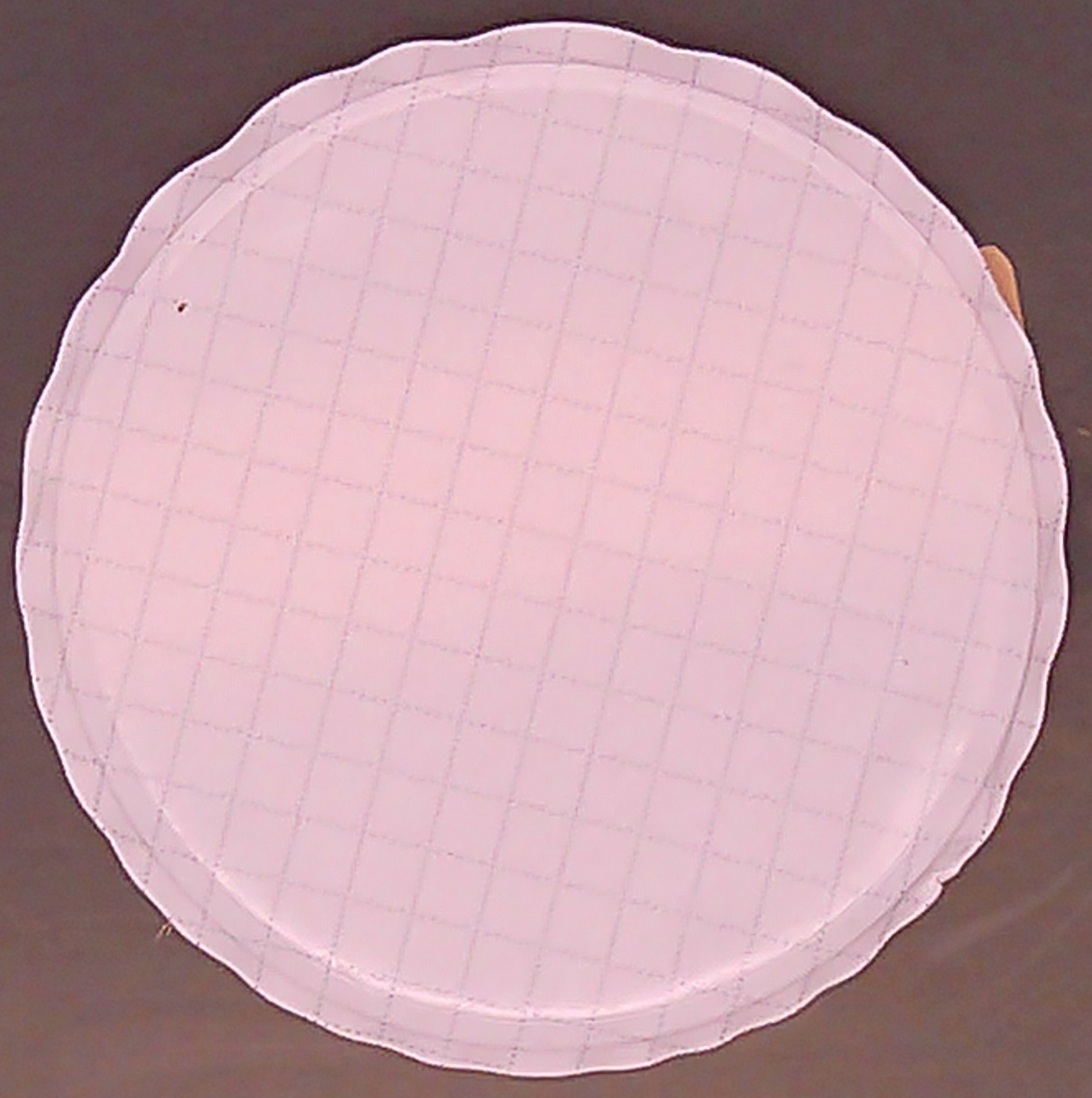
Figure 2. Representative images of recovered microorganisms from probes stored for seven days in the open air (left), static cabinet (middle), or CleanShield cabinet (right).
Together, these findings show that the CleanShield Ultrasound Probe Storage Cabinet provided the best protection from contamination of cleaned and high-level disinfected probes in this study and support a recommendation for a seven day storage time for transvaginal and transrectal probes in the AirClean Systems CleanShield Ultrasound Probe Storage Cabinet.
References
ANSI/AAMI. 2024. “ST58:2024 Chemical Sterilization and High-Level Disinfection in Health Care Facilities.”
Australasian Society for Ultrasound in Medicine (ASUM). 2017. “Guidelines for Reprocessing Ultrasound Transducers.” Australasian Journal of Ultrasound in Medicine 20(1): 30-40
Canadian Agency for Drugs and Technologies in Health (CADTH). 2024. “General Ultrasound Examination Volumes per Sonographer 8-Hour Workday.” Canadian Journal of Health Technologies. 4(2): 9.
Infection Prevention and Control Canada (IPAC) Canada’s Reprocessing Group. 2022. “Reprocessing Ultrasonic Transducer Probes Used in All Healthcare Settings.”
Society of Diagnostic Medical Sonography (SDMS). 2022. “Sonographer Best Practices for Infection Prevention and Control: Reprocessing the Ultrasound Transducer.”
Westerway, S.C., Basseal, J.M., Abramowicz, J., Moran, C. 2024. “Recommendations for the Cleaning of Endocavity Ultrasound Transducers Between Patients.” Ultrasound in Medicine & Biology. 50(2024): 775-778